Flannery O'Connor said that Southern literature has a bent toward the grotesque because the South still has a strong belief in the devil. She meant this as a compliment.
The grotesque, for O'Connor, is not sensationalism. It is a literary commitment to showing the wound before the healing, the brokenness before the grace, the full human mess before God shows up — and insisting that God shows up in the mess, not after it is cleaned up. The grace in her fiction is almost always violent. Almost always comes through something ugly. The misfit shoots the grandmother and she dies touching his face. The bird flies through the window and the child who has never known tenderness reaches toward it for the first time.
I think this is also a theological commitment. Not just an aesthetic one.
The incarnation is a grotesque event. God does not arrive as a concept or a principle or a set of instructions for better living. God arrives in a body, in blood, in the mess of a stable, in the ordinary scandal of a peasant birth in an occupied country. The cross is grotesque. The resurrection is grotesque — a body that was dead, walking.
We have spent centuries trying to clean this up. Sanitize it into liturgy and stained glass and whatever the worship band thought would work this week. The cleaning is understandable. The cleaning also loses something.
What it loses: the permission to bring the actual mess into the room.
In a sanitized gospel, you come to church having done your best to manage yourself. You bring the version of yourself that can sit still for an hour. You do not bring the 3am version, the version that sent the text you regret, the version that was hospitalized, the version that does not believe any of this today.
The grotesque gospel says: bring that one. That is the one Jesus is walking toward.
We are building Ecclesia for the unclean version of ourselves. Not because we are celebrating brokenness — because we believe grace arrives in it. That is the only gospel we know how to tell.
This piece is adapted from a longer essay at Southern Legends.
Read the full essay →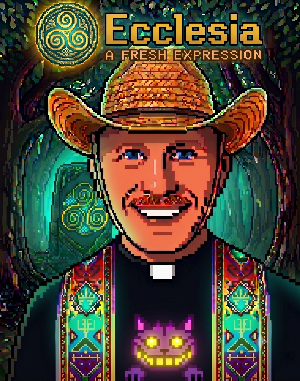
Matt Headley
Founding pastor of Ecclesia Community. Ordained United Methodist. Flower farmer. Builder. I walk with a limp. That is why I can walk with you.
We discuss pieces like this in the Ecclesia community every Tuesday morning.